
Reptiles and reptile pets cute amphibians are two teams of unique animals that are often confused with each other. While they could share some similarities, they even have distinct traits that set them apart. It can be crucial to know these differences to be able to correctly care for and admire these fascinating creatures.
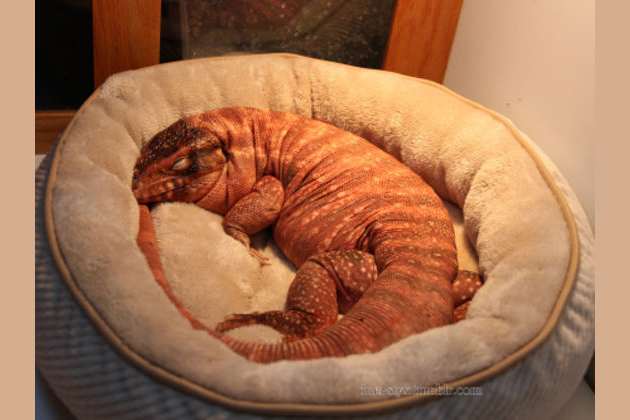 Reptiles are ectothermic animals, which means they rely on exterior sources of heat to regulate their body temperature. They have scaly skin, which helps protect them from predators and retain moisture. Most reptiles lay eggs, although some species give beginning to reside younger. They have strong, muscular our bodies and are identified for their slow motion. Some frequent examples of reptiles breathe with lungs or gills include snakes, lizards, turtles, and crocodiles.
Amphibians, on the other hand, are additionally ectothermic however they have permeable pores and skin that permits them to absorb water and oxygen instantly from their atmosphere. In contrast to reptiles, most amphibians lay eggs in water or moist environments and go through a larval stage before reworking into adults. They’ve slimy pores and skin and are highly dependent on water for survival. Frogs, toads, salamanders, and newts are all examples of amphibians.
One among the key differences between reptiles and amphibians is their habitats. Reptiles are typically found in dry, arid environments reminiscent of deserts, grasslands, and forests. They are properly adapted to living in these harsh circumstances and can go for long intervals of time without water. Amphibians, however, are extra commonly present in wet, damp habitats like ponds, lakes, and swamps. They require moist conditions to outlive and are often related to water.
Another distinction between reptiles and amphibians is their reproductive habits. Reptiles typically lay eggs on land or bury them in the ground, whereas amphibians lay their eggs in water. Amphibians additionally bear a unique process called metamorphosis, where they transition from an aquatic larval stage to a terrestrial adult stage. This transformation is crucial for adapting to different environments and lifestyles.
Both reptiles and amphibians play essential roles in ecosystems as predators, prey, exotic pet geckos and indicators of environmental well being. They help control insect populations, provide meals for different animals, and serve reptile as pets for rookies bioindicators of pollution and habitat degradation. It is essential to conserve and protect these animals to maintain biodiversity and make sure the balance of ecosystems.
In conclusion, reptiles and amphibians are fascinating animals with their very own distinct traits and behaviors. By understanding the variations between them, we will appreciate the range of life on Earth and take steps to conserve their habitats. Whether or not you desire the gradual slither of a snake or the graceful leap of a frog, there may be one thing particular about these chilly-blooded creatures that proceed to captivate and encourage us.