
Off-page SEO refers to elements outside your website that impact your rankings within search engine results pages, such as link building. They analyse every element of your website’s SEO and ensure that search engines love it enough to place it in their highest ranks. As part of your digital marketing audit, you should check if your site has any broken links. You can use a free broken link checker to scan pages for dead links so they can be fixed quickly. Additionally, understanding your competitors’ rankings can help you gauge the level of competition in your industry and set realistic goals for your SEO campaigns. Keep a close eye on your competitors’ keyword choices and rankings to stay competitive in search engine results.
Google Website Crawling And Indexing
Search engines strive to provide the users with the best results for their search queries. This is why Google’s bots crawl through all your web pages and evaluate them on various factors. Technical factors in this process include page loading speed, understanding of the content, structured data, and much more. This helps search engines get a proper picture of what your webpage is about. An SEO analysis tool is one of the most essential pieces of software an SEO specialist should have.
Why Do an SEO Audit?
In simple terms, count on all the SEO aspects that will affect your website’s ranking on the search engines. Welcome to our extensive SEO Audit roadmap intended to empower your home page’s online presence. The next technical SEO best practices step is sitemap creation and submission. A successful website architecture requires an up-to-date and well-structured sitemap that can be used as a guide for search engine crawlers, helping them to index your content more effectively. To ensure you completely understand this process, we will discuss how to create and submit an optimized sitemap, analyze its performance, and build it correctly.
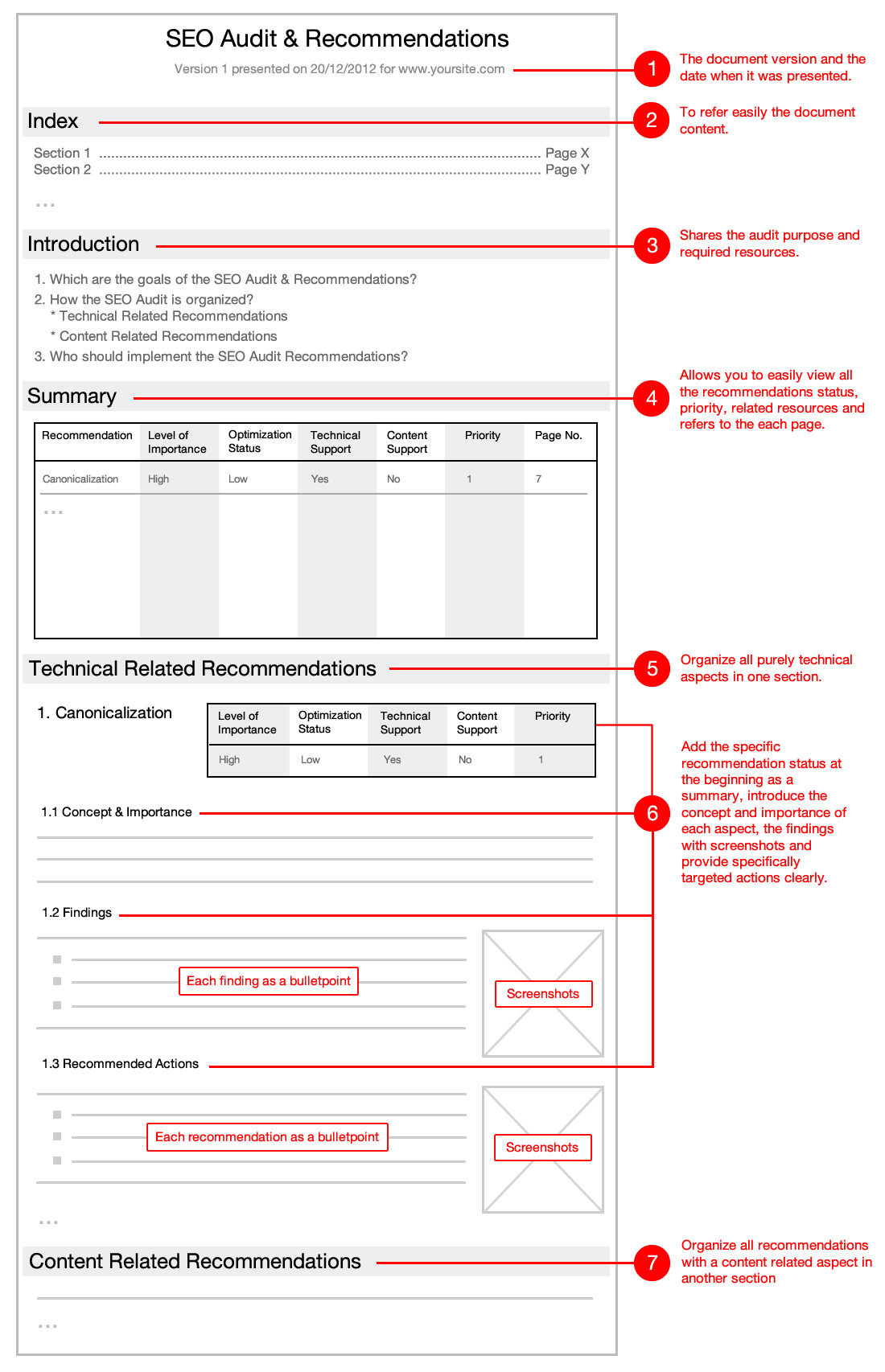
While manual data collection can easily lead to incorrect assessments of complex issues, crawling tools usually deliver consistently high data quality for all checks. With its tools, you can improve your website’s SERPs, detect broken links, offer insights on technical issues such as meta descriptions, and more. Building High-Quality Backlinks, as discussed in SEO for Real Estate Investors, is essential for your site’s authority.
Prioritizing user experience alongside SEO creates a synergy that benefits both search rankings and user satisfaction. Collaborating with technical experts helps navigate complexities during audits and strategy execution, ensuring technical SEO issues are effectively resolved. This collaboration enhances site functionality and SEO performance without compromising user experience. Tackling technical challenges ensures a solid SEO foundation, supporting overall strategy success.
- To effectively manage online reviews and ratings, it’s essential to regularly monitor multiple platforms where your business is reviewed.
- You would identify a dozen target keywords or so, and use them on a rotating basis in all your titles and descriptions, sometimes using two or more in a single entry.
- Additionally, clear goals will enable you to prioritize the necessary changes and focus on areas that require the most attention during the audit.
- It involves analyzing various technical, on-page, and off-page factors to identify any issues that might be a cause for concern or preventing your website from ranking higher on SERPs.
- It helps in enhancing user experience, retaining visitors, and ultimately boosting the website’s performance and search engine rankings.
- Evaluate if the SEO agencies offer services tailored to your specific needs, whether it concerns local SEO, technical audits, or off-page activities like link-building.
Consider leveraging SEO tools like Ahrefs, SEMrush and Moz for large sites to automate analyzing huge amounts of data. For smaller sites, run through the DIY audit checklist periodically as a starting point. The key is using audits to measure progress, uncover new opportunities, and address evolving issues. Turning audit insights into executable action plans is key to driving SEO results. • Page Speed – Checks page load times and size optimization to meet Google page experience ranking factors. • Site Architecture – Evaluates the website information architecture, internal linking structure, and how site content is organized.
Contextual linking across articles underpins the growth of content section visibility. As a result, the only links pointing to the articles are those from category pages. Automatic linking means linking to suggested posts (on blogs) or suggested products (on e-commerce sites). Generally, if these mechanisms are managed by ready-made solutions embedded in the CMS (WordPress), everything should run smoothly.
Auditing pagination and infinite scroll functionality is important for better user experience and indexability. Reducing server load and improving page load times by identifying and optimizing HTTP requests. Identifying video pages lacking text content and considering the addition of relevant text improves SEO performance.
From small businesses to large enterprises, the reliance on these tools is unanimous, for they translate complex data into actionable insights. Professional SEO audits for increasing search visibility offer an effective complete SEO audit service outputting critical insights into your website’s performance, pinpointing quick opportunities for improvement. This article unpacks the essentials of SEO audits and helps you discern how to leverage them for better rankings and website traffic. Discover what to expect from an SEO audit and how to select the right service that aligns with your goals without being led astray by sneaky sales pitches that waste your time and money.