When we consider reptiles, we often associate them with being cold-blooded creatures that depend on external sources of heat to regulate their physique temperature. However, current analysis has revealed that not all reptiles are chilly-blooded. In truth, many reptiles are heat-blooded, a characteristic that sets them aside from different cold-blooded animals.
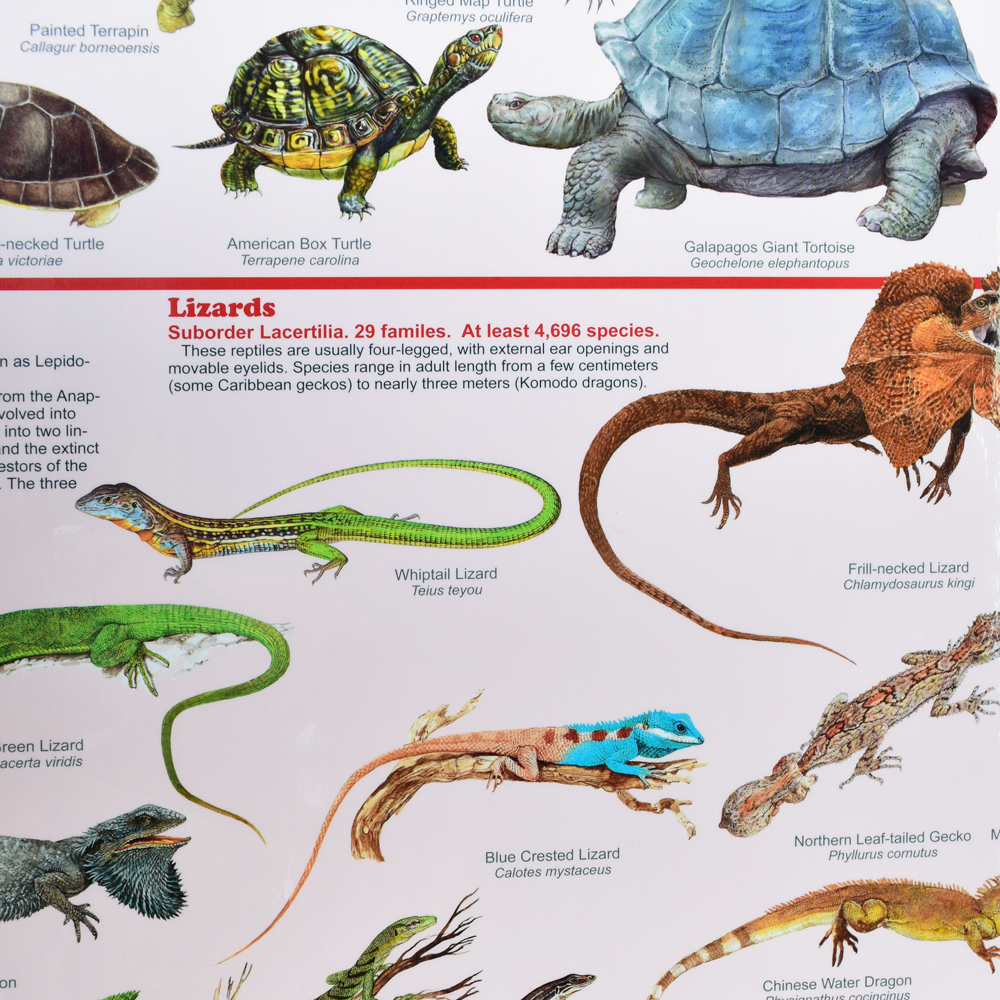 The misunderstanding that every one reptiles are chilly-blooded stems from the fact that most reptiles exhibit characteristics typically associated with chilly-blooded animals. This contains the shortcoming to regulate their physique temperature internally, instead relying on behaviour comparable to basking in the sun or finding heat shelter to boost their body temperature. Nonetheless, there are some reptiles that exhibit heat-blooded traits, corresponding to the ability to maintain a constant physique temperature no matter their setting.
One example of a heat-blooded reptile pets at home is the leatherback sea turtle. This species of turtle has the flexibility to regulate its body temperature internally, allowing it to maintain a relentless body temperature even within the chilly waters of the ocean. This adaptation is essential for leatherback sea turtles, as it permits them to survive in quite a lot of environments and climates.
Another instance of a warm-blooded reptile pets cute is the black mamba snake. Despite being a reptile, the black mamba has the power to regulate its body temperature internally, allowing it to take care of a stable body temperature even in the chilly nights of the African savannah. This capacity gives the black mamba an advantage over other cold-blooded animals, because it permits them to stay active and hunt for prey even in cooler temperatures.
So, what makes these warm-blooded reptiles completely different from their chilly-blooded counterparts? The important thing difference lies in their metabolism. Warm-blooded reptiles have a higher metabolic fee, which allows them to generate and maintain heat internally. Which means they don’t seem to be reliant on exterior heat sources to boost their physique temperature, making them more adaptable to changes of their surroundings.
 In addition to having the next metabolic fee, warm-blooded reptiles also have extra environment friendly circulatory techniques. This enables them to distribute heat extra effectively all through their bodies, serving to them to take care of a continuing physique temperature. This is in contrast to cold-blooded reptiles, which frequently struggle to regulate their physique temperature as efficiently.
While heat-blooded reptiles could also be in the minority compared to cold-blooded reptiles, their presence challenges the traditional understanding of reptiles as cold-blooded creatures. By being able to regulate their body temperature internally, warm-blooded reptiles diet are able to thrive in a wider vary of environments and climates, making them an interesting and unique group of animals.
In conclusion, reptiles are not all cold-blooded. There are lots of species of reptiles that exhibit heat-blooded traits, corresponding to the ability to regulate their body temperature internally. By having the next metabolic rate and more efficient circulatory programs, heat-blooded reptiles are in a position to keep up a constant physique temperature no matter their surroundings. This adaptation makes them more adaptable to adjustments of their surroundings and highlights the diversity and complexity of reptiles as a bunch of animals.
